

french door repairs sittingbourne Repair My Windows And Doors - Upgrade the Look of Your French Doors
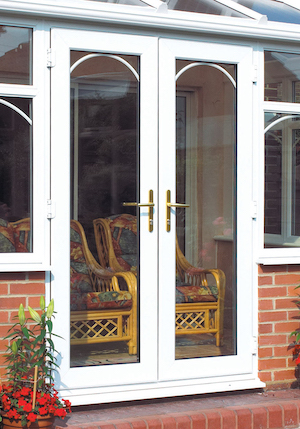
Door handles are essential to protect your home from outside elements. They also provide a striking design element that can set the tone for your interior style.
The majority of French doors come with two handles: one functional and one decorative. This handle that is not functional is often called a dummy.
Replacement
A new handle can be an affordable way to update the look of French doors. If you're remodeling or replacing older doors it is crucial to choose high-quality handles that can withstand frequent use and the elements. The most durable handles are made from stainless steel, which has antibacterial properties and is easy to clean. The handles have a brushed surface that is impervious to fingerprints and less likely to become rusty or show scratches as time passes.
Handle sets are available in a vast range of styles and finishes. You're sure find something to match your style and decor. Certain styles of handles have a more decorative look, while others come with an integrated lock for extra security. Key-operated handles are available which are perfect for homes with small children. Certain handles are more expensive than others, and it's crucial to consider your budget when selecting a set.
Before you purchase a handle, decide what configuration will work best for your French doors. If you have interior doors that open independently of each other, then you may want one handle that locks, and one that does not. This will determine if need a rotating handle or fixed one. You'll need to decide if you wish to be able to lock the door from the inside or the outside.
You'll need to use an external lock to open doors that require a key. You can get a basic Yale-style lock or a more advanced multipoint locking system to keep your French doors safe. Some systems let you lock the top of the door and the bottom at the same time while others require you to open both the top and bottom.
When you're ready for installing your new handle, first locate the slot for actuator. It's a cylindrical slot that connects to the latch. It is common to find a hole in the door frame to do this, but it's crucial to measure with care and make use of a spirit-level to ensure the holes are straight and uniform. With your handle, it is recommended to receive a hole-boring tool to aid you in taking the proper measurements.
Installation
While door handles might seem as if they're just a few accessories but they play a crucial role in your french doors' functionality and security, as well as aesthetics. It's the reason it's essential to choose handles of high-quality that will stand up to regular use and don't require frequent replacement or maintenance.
Based on the design you want and the purpose of your door, you might require different handles. But, regardless of your preferred style and function the process of installing them is almost identical. The first step is to take the old handles off and clean up the area where the new ones will be put. Next, drill holes into the door in which you intend to mount the new set of handles. Follow the directions included with the hardware to ensure that you bore the holes in a manner that will allow the lock mechanism to fit properly.
After that, put the lock bolt into the hole in the side of the door, and connect it to the actuator. The actuator is a cylindrical piece that has a slot where the bolt can pass through. Certain handle designs might call for you to place the bolt prior to the actuator, so make sure to consult your instructions if you're unsure about the correct order to put it together.
Then you can screw the plate in place to cover the latching mechanisms as well as the locking mechanisms on the active side. Then, test the lock and latch to ensure that they function as intended. Once you're satisfied you're satisfied, repeat the procedure on the fake side of the door to put in the non-functional handle.
During the process, it's crucial to take your time and be careful. You might end with handles that aren't functional or do not look great if you rush the process. You should always seek out a professional to ensure the best outcomes. You'll be enjoying your beautiful french doors for many years to come!
Compatibility
The type of handle that you select for your French doors will be contingent on the purpose you intend to use them for. If you are using them for storage, you might choose to use decorative handles instead of locking hardware. If you intend to use them in a dining room, you'll require locks that are simple to use and secure against forced entry. The handle you select for your french door should also be compatible with locks already installed. If you choose the wrong handle could result in the lock becoming difficult or difficult to operate, so it is essential to consult with a professional before making your shop. An experienced expert such as the ones at CD Windows will be able to assist you in finding the perfect handle for your doors.
When it is French Door Handles, there are a myriad of options. Some French door handles have built-in locking systems, eliminating the requirement for an additional locking system. Others have latches and deadbolts that are activated by the handle to provide additional security. In any case, you'll want to be sure that the handles you choose are compatible with the hardware you already have and will work well with the door's style and style.
You should also consider whether you want your handle sets to be locked on one or both sides. French doors are two doors that are connected, so they need an entirely different mechanism than single doors. If you're looking for a solution that locks on both sides, you'll need handles with a lock that's designed to work with double doors.
In the majority of cases, the handles you install on the active French Door will have openings in the plates that accept the latch and lock bolt. The Dummy handle, on other hand, is an unfunctioning handle that is purely decorative. These handles are usually used in areas that aren't used often, like bedrooms and bathrooms.
Maintenance
It is crucial to take care of the handles on your doors because they are the most frequently used element of your doors. Over time, they could be stained or tarnished. They may even lose their shine. The correct cleaning solution will bring them back to their former splendor. Generally speaking, the safest and gentlest cleaner is mild soap solutions, although you should always wash and dry off any moisture afterward to avoid corrosion and damage.
Brass handles are especially prone to tarnishing however you can lessen the chance of this happening by keeping them clean. To remove dirt and dust first, wash the brass surface with warm tap water. Then, use a soft cloth. Then, make a mixture of baking soda and lemon to scrub away any tarnish. Once you've removed the tarnish, you can finish off by polishing the handle with a stainless steel-specific cleaner. Making sure you use the right cleaner for your material ensures a smooth and shiny finish that lasts for many years.
A squeaky or stiff door handle can be very frustrating, but it's something that can be fixed. Look to see whether there are any tiny objects or debris that are stuck in the locking mechanism. This could be the cause of your issue. If this isn't the case, you may have to grease the door handle's internal workings to solve the issue.
WD-40 is a multi-purpose item with a special formula that allows you to lubricate hardware quickly. Applying a generous amount of the liquid to your door handle will assist it to move smoothly and stop the squeaking. You can also use a Flexible Straw to reach all the little nooks and crannies on your French door handle, ensuring that you don't miss a place.
While the process of replacing a handle for a French door is quite easy, you'll need be careful when drilling holes for the new handles. It's because different door designs have different holes in the frame and door. This is why it's crucial to match the holes when installing the new handles. It's also worth checking that the cylinder pin is fitted correctly, which is the piece of steel that runs through the entire lock mechanism of your door.